

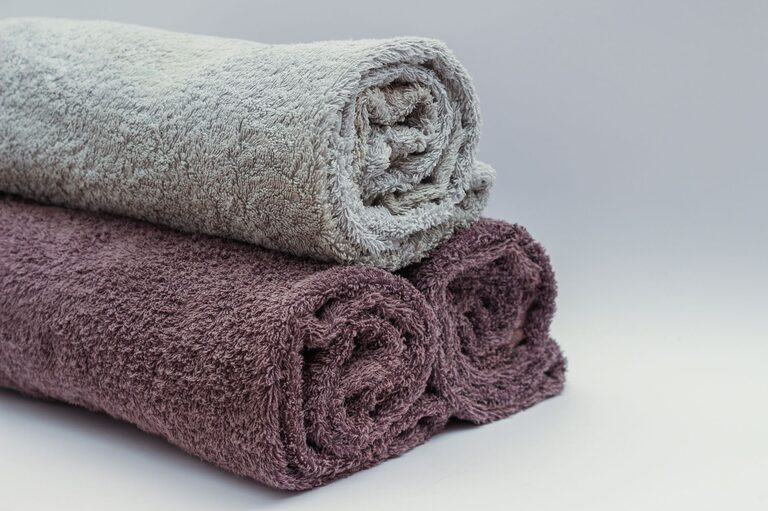
Keeping your towels fresh and fluffy not only makes your daily routine more pleasant, but it also extends the life of these essential household items. Towels that feel rough or smell musty can turn an ordinary task into a disappointing experience. Fortunately, with a few simple steps, you can maintain softness, freshness, and absorbency. This post will guide you through practical tips to keep your towels looking and feeling their best.
Why Towels Lose Their Softness and Freshness
Before diving into the solutions, it’s useful to understand why towels sometimes become stiff, rough, or smelly:
– Detergent buildup: Using too much detergent or not rinsing towels properly can leave residue that makes fibers stiff.
– Hard water: Minerals in hard water can cling to fabric, reducing softness.
– Overdrying: High heat from dryers can damage cotton fibers, causing towels to lose their fluffiness.
– Improper drying: Towels that are left damp for too long develop musty odors and mildew.
– Fabric softener use: While fabric softeners might seem like a good idea, they can coat towel fibers, reducing absorbency.
Now that you know the common culprits, let’s explore effective ways to care for your towels.
Choosing the Right Towels
A good towel starts with quality materials. Consider these points when selecting towels:
– Material: 100% cotton towels, especially Egyptian or Turkish cotton, tend to be the softest and most durable.
– Weight: Towels measured in grams per square meter (GSM) give a sense of thickness. Towels with 400-600 GSM are generally fluffy and absorbent without being heavy.
– Weave: Terry cloth with loops is ideal for absorbency and softness.
Investing in quality towels means they will stay fresher longer with proper care.
Washing Tips for Soft, Fresh Towels
1. Wash Towels Separately
Avoid mixing towels with clothes, especially items that produce lint like fleece. Washing towels separately prevents lint buildup and ensures more thorough cleaning.
2. Use the Right Amount of Detergent
Too much detergent can leave residues that stiffen towels. Use the recommended amount or slightly less, depending on your load size and water hardness.
3. Avoid Fabric Softeners and Dryer Sheets
Fabric softeners leave a coating that reduces absorbency and softness over time. Instead, opt for natural alternatives or skip them altogether.
4. Add Vinegar and Baking Soda Occasionally
Every few washes, add half a cup of white vinegar during the rinse cycle. Vinegar helps remove detergent buildup and eliminates odors. You can also add half a cup of baking soda during the wash cycle to freshen and soften towels.
5. Opt for Warm Water
Use warm water for washing towels unless the care label says otherwise. Warm water helps break down oils and residues without damaging fibers.
6. Don’t Overload the Washer
Giving towels enough room to move freely allows for better cleaning and rinsing. Overloading the machine can lead to uneven washing and detergent buildup.
Drying Towels Properly
1. Shake Towels Before Drying
Give towels a few good shakes after washing. This helps fluff up the fibers and prevents them from tangling.
2. Use Medium to Low Heat
Dry towels on medium or low heat to prevent overheating fibers. High temperatures can make towels rough and shorten their lifespan.
3. Take Towels Out Promptly
Remove towels from the dryer as soon as the cycle finishes to avoid wrinkles and musty smells.
4. Air-Dry When Possible
If you have space, hang towels outside to dry in fresh air and sunlight. Sunlight naturally disinfects and removes odors.
5. Use Dryer Balls
Wool or rubber dryer balls can help separate towel fibers during drying, enhancing fluffiness and reducing drying time.
Additional Tips for Long-Lasting Towels
Regularly Deep Clean Towels
Every month or so, run towels through a deep-clean cycle using hot water and vinegar or a specialized laundry booster. This removes buildup and keeps towels fresh.
Don’t Skip the Spin Cycle
Ensure your washer’s spin cycle is set appropriately to remove as much water as possible. Damp towels can develop mildew or odors if left in the machine.
Store Towels in a Dry, Well-Ventilated Space
Proper storage helps maintain towel freshness. Avoid overstuffing your linen closet to allow air circulation.
Replace Towels When Necessary
Even with the best care, towels wear out. When absorbency diminishes or fibers become threadbare, it’s time to replace them to ensure comfort and hygiene.
Conclusion
Keeping towels soft, fluffy, and fresh doesn’t require complicated steps. By choosing quality towels and following simple washing and drying guidelines, you can enjoy the comfort of fresh towels every day. Incorporate these tips into your laundry routine to extend the life of your towels and brighten your daily self-care moments. A little care goes a long way toward making each towel feel like a fresh, cozy treat.