

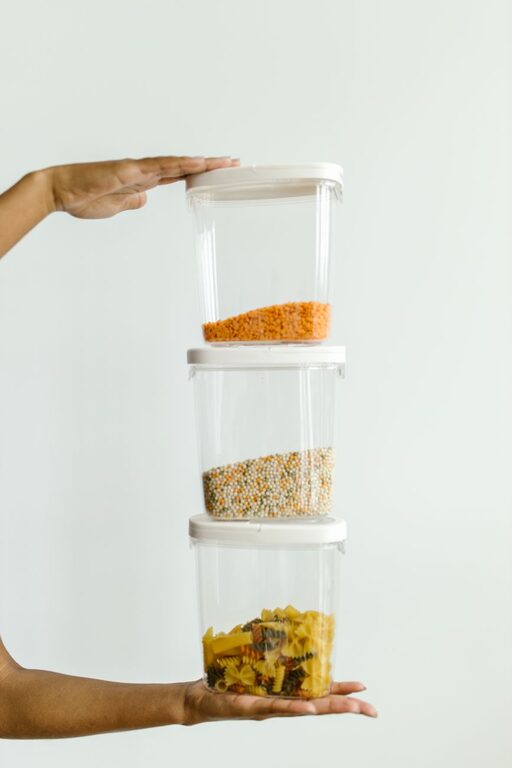
Planning meals from pantry staples is a smart and efficient way to manage your kitchen while keeping meal preparation simple and cost-effective. Whether you’re aiming to save time, reduce food waste, or cook with what you already have, leveraging your pantry can be a game changer. This guide will walk you through how to organize your pantry, identify staple ingredients, and plan nourishing meals without last-minute trips to the store.
Why Plan Meals from Pantry Staples?
Before diving in, it’s helpful to understand why planning meals from pantry staples is beneficial:
– Saves Time: No rushing to the store when you have essentials on hand.
– Reduces Waste: Using what you have means fewer unused items going bad.
– Saves Money: Pantry staples are often affordable and buying in bulk reduces cost.
– Encourages Creativity: Combining staples in new ways can lead to exciting meals.
Step 1: Organize Your Pantry
A clean and organized pantry makes meal planning easier and helps you keep track of what you have.
– Sort items by category: Group canned goods, grains, spices, baking supplies, and snacks separately.
– Check expiration dates: Toss expired products to avoid cooking mishaps.
– Label shelves or containers: Clear labels help you find items quickly.
– Use clear storage containers: Seeing your staples at a glance saves time.
Step 2: Identify Your Pantry Staples
Pantry staples are basic ingredients with a long shelf life and versatile uses. Here are common examples:
– Grains and pasta: Rice, quinoa, couscous, spaghetti, macaroni
– Canned goods: Beans, tomatoes, coconut milk, vegetables, broth
– Baking essentials: Flour, sugar, baking powder, yeast
– Oils and vinegars: Olive oil, vegetable oil, apple cider vinegar
– Spices and herbs: Salt, pepper, garlic powder, cumin, oregano, paprika
– Other staples: Peanut butter, nuts, dried fruits, canned tuna or chicken
Take note of what you already have to avoid buying duplicates.
Step 3: Plan Meals Around Key Ingredients
Start meal planning by selecting a few core ingredients from your pantry and then thinking about what dishes you can prepare. Here are some ideas:
Breakfast
– Oatmeal with dried fruit and nuts: Combine oats with your favorite dried fruits and nuts for a quick, nutritious start.
– Pancakes using flour and baking powder: Customize with canned fruit toppings or nut butters.
– Granola bars: Use oats, nuts, and honey or syrup to make homemade snacks.
Lunch and Dinner
– Pasta with tomato sauce and canned beans: Create a hearty meal by adding beans for protein.
– Rice and canned vegetable stir-fry: Use rice with mixed vegetables and a splash of soy sauce or spices.
– Soup with broth and canned vegetables: Combine staples for a warming, easy-to-make soup.
– Chili or stew: Use canned tomatoes, beans, and spices for a filling, flavorful dish.
– Tuna salad with canned tuna and vinegar: Mix with olive oil, vinegar, and seasonings for a simple meal.
Snacks and Sides
– Roasted nuts and seeds: Toss with spices for a crunchy snack.
– Hummus with canned chickpeas: Blend canned chickpeas with garlic, olive oil, and lemon juice.
Step 4: Make a Weekly Meal Plan
Once you’ve identified possible meals, create a weekly plan that utilizes your pantry staples efficiently.
– Check what fresh ingredients you may need: Plan for minimal fresh items like vegetables or herbs to complement pantry staples.
– Mix and match: Use the same staple ingredient in different ways to avoid monotony.
– Prep in advance: Batch cooking dishes like soups or stews can save time during busy days.
Step 5: Keep a Running Inventory
Regularly update your pantry inventory to prevent running out of key ingredients. This will also help guide future meal plans and grocery shopping.
– Keep a list on your fridge or use an app.
– Take note after cooking what you used.
– Restock staples as needed.
Tips for Success
– Experiment with spices: Changing up seasonings can completely alter the flavor of a dish.
– Use pantry items as a base: Add fresh produce or proteins based on what’s available.
– Consider dietary needs: Choose staples that work well for your preferences and restrictions.
– Store items properly: Keep pantry staples in cool, dry places to maintain freshness.
– Rotate older items to the front: Use older items first to reduce waste.
Sample Pantry Staples Shopping List
If you want to build or restock your pantry, here’s a basic list to start with:
– Brown or white rice
– Canned beans (black, kidney, chickpeas)
– Canned tomatoes (diced, sauce, paste)
– Pasta (spaghetti, penne, macaroni)
– Cooking oils (olive oil, vegetable oil)
– Vinegar (apple cider, white, balsamic)
– Flour (all-purpose, whole wheat)
– Sugar (white, brown)
– Baking powder and baking soda
– Salt and pepper
– Dried herbs and spices (basil, oregano, cumin, paprika)
– Canned tuna or chicken
– Nut butters (peanut butter, almond butter)
– Oats
– Nuts and seeds
– Broth or stock (vegetable, chicken, beef)
Final Thoughts
Meal planning from pantry staples can transform your cooking experience. It builds confidence in improvisation, reduces the stress of last-minute shopping trips, and encourages healthier, more budget-friendly meals. With a well-organized pantry and a little planning, you can enjoy homemade meals any day of the week using ingredients you already have on hand. Happy cooking!