

Cleaning up after dinner can often feel like a daunting task, especially after a long day. However, with a few smart strategies, you can make dinner cleanup quicker, easier, and even a bit more enjoyable. Whether you live alone or cook for a family, these tips will help you streamline the process, reduce mess, and save time for other activities.
1. Plan Ahead for Easier Cleanup
Use One-Pot or One-Pan Meals
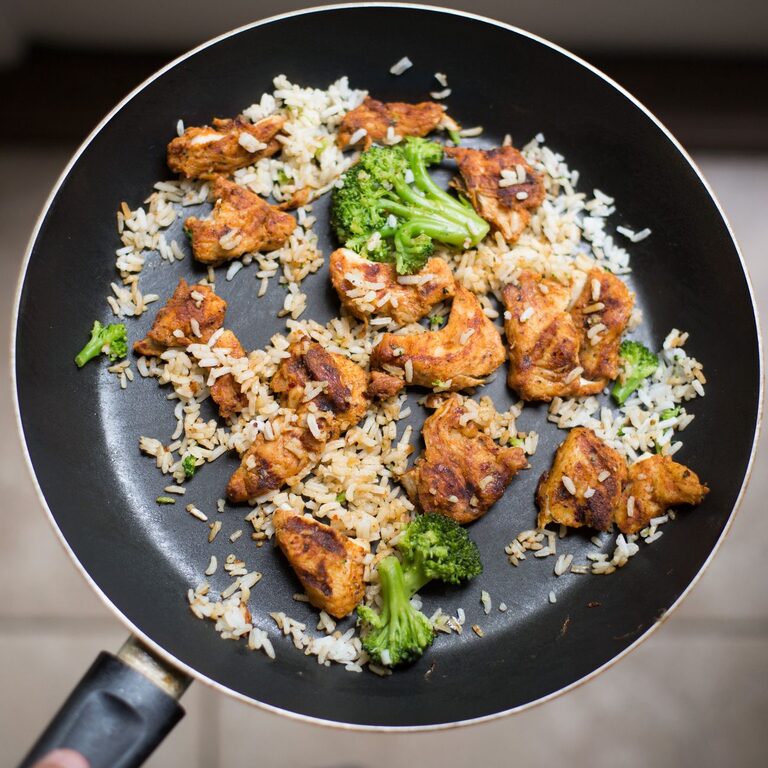
One of the best ways to minimize dishes is to prepare meals that use only one pot, pan, or sheet tray. Dishes like soups, stews, stir-fries, or sheet pan dinners drastically cut down the number of dishes you’ll need to wash.
Prep Ingredients in Advance
Taking some time to chop vegetables, marinate proteins, or measure spices ahead of time not only speeds up cooking but also reduces the risk of spills and messes during meal prep.
Set Up Your Cleanup Station Before Cooking
Before you start cooking, make sure your sink is empty, your dish soap is ready, and you have clean sponges or cloths nearby. This habit encourages you to clean as you go rather than letting dirty dishes pile up.
2. Clean as You Cook
Wash or Soak Dishes During Cooking
While you wait for something to boil or bake, use that time to wash cutting boards, bowls, or utensils you’ve finished using. If a dish is particularly dirty, fill it with soapy water and let it soak to make scrubbing easier later.
Wipe Down Surfaces Frequently
Keep a damp cloth handy to wipe counters, spills, and splatters as they happen. This habit prevents grease and food from building up, making your post-dinner cleaning less intense.
Use a Garbage Bowl
Instead of tossing scraps one by one into the trash, keep a large bowl on the counter to collect food scraps, packaging, and peelings. This keeps your workspace tidy and speeds up cleanup.
3. Make Dishwashing More Efficient
Load the Dishwasher Strategically
Place larger items like pots and pans on the bottom, plates and bowls around the edges, and glasses and cups on the top rack. This organization ensures everything fits and cleans effectively.
Pre-Rinse Only When Necessary
Modern dishwashers generally don’t require pre-rinsing. Scrape off excess food scraps but avoid rinsing dishes under running water, as this wastes time and water.
Let Pots Soak Immediately
After serving, fill pots and pans with hot, soapy water and let them soak while you eat. This softens stuck-on food, making them easier to clean afterward.
4. Use Tools and Products That Help
Invest in Non-Stick Cookware
Non-stick pans generally require less scrubbing and are easier to clean, especially when cooking sticky or fried foods.
Use Silicone Baking Mats or Parchment Paper
These liners prevent food from sticking to pans and baking sheets, allowing you to simply toss the liners and save time scrubbing.
Get a Good Quality Scrubber or Brush
A durable scrub brush or sponge that fits comfortably in your hand can make dishwashing quicker and less tiring.
5. Organize Your Kitchen for Simplified Cleaning
Declutter Countertops
Keep counters as clear as possible. Fewer items mean fewer spots for crumbs and spills to gather.
Store Cleaning Supplies Nearby
Keep dish soap, sponges, and towels close to the sink for easy access and reminders to clean regularly.
Use Bins or Drawers for Sorting Utensils
Having designated spots for utensils speeds up clearing the table and setting up for the next meal.
6. Establish a Cleanup Routine
Enlist Help When Possible
If you share your home with others, involve everyone in cleanup duties. Assign turns or specific tasks to make it a group effort.
Clean Immediately After Dinner
Try to clean dishes and wipe surfaces soon after you finish eating. Waiting too long often leads to more stubborn stains and a bigger mess.
Create a Playlist or Set a Timer
Make dishwashing more enjoyable by listening to your favorite music, podcast, or setting a timer to challenge yourself to finish within a certain timeframe. This can help turn cleaning into a quicker, more focused task.
7. Reduce Waste and Extra Cleanup
Use Reusable Cloth Napkins
These reduce disposable waste and tend to be easier to clean than stained paper napkins.
Serve in Smaller Portions
Serving smaller amounts reduces uneaten food waste, which in turn means less leftover cleanup.
Compost Food Scraps
Composting reduces garbage bag waste and makes cleanup more eco-friendly.
—
By incorporating these ideas into your dinner routine, you can cut down on cleanup time and stress. The key is to organize your cooking and cleaning processes so that tasks happen in smaller, manageable steps rather than all at once. With a little planning and the right tools, dinner cleanup can become a smoother, more efficient part of your day.