

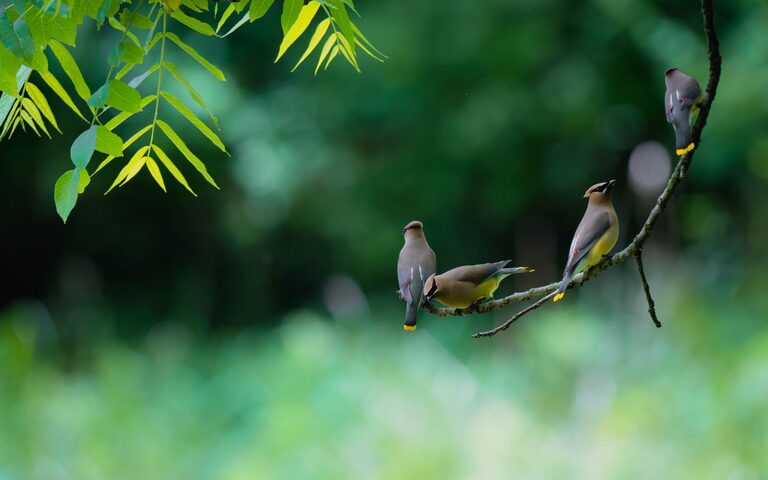
Birdwatching is a delightful hobby that connects you with nature and offers peaceful moments right in your own backyard. Whether you live in the city or countryside, observing birds can be a rewarding experience. If you’re new to birdwatching, this guide will help you get started with simple tips to attract and identify birds around your home.
Why Birdwatching?
Birdwatching encourages mindfulness and appreciation of wildlife. It’s accessible to people of all ages and requires minimal equipment. Enjoying birds in your backyard also helps support local ecosystems by creating habitats for these fascinating creatures.
—
Getting Started: Basic Equipment
You don’t need fancy gear to begin. Here’s what can help you along the way:
– Binoculars: A good pair of binoculars improves your viewing experience by bringing birds closer without disturbing them. Look for lightweight models with moderate magnification, like 8x or 10x.
– Field Guide or App: Use a bird identification book or mobile app to recognize species by their appearance, song, or behavior.
– Notebook or Journal: Keep notes or sketches of the birds you observe. This adds a personal touch and helps track your sightings.
– Camera (Optional): If you enjoy photography, a basic camera or smartphone can capture bird moments for later identification or sharing.
—
Setting Up Your Backyard for Birdwatching
Creating a bird-friendly environment invites more species to visit. Here are easy ways to prepare your outdoor space:
1. Provide Food Sources
Birds need food year-round. Different species prefer different types of seeds and treats.
– Seed Mixes: Black-oil sunflower seeds attract many common birds such as chickadees, finches, and cardinals.
– Suet: High-energy suet cakes are great in cooler months, offering fat and protein.
– Nectar Feeders: Hummingbirds enjoy nectar made from sugar and water.
– Fruit: Slices of apples, oranges, or berries can attract species like orioles and woodpeckers.
2. Supply Fresh Water
Birds need water for drinking and bathing.
– Use a shallow birdbath and change the water regularly.
– Place stones or sticks in the bath for perching.
– In winter, consider heated birdbaths to prevent freezing.
3. Create Shelter and Nesting Spots
Birds seek safe places for resting and raising young.
– Plant native shrubs and trees that provide cover and natural food.
– Install birdhouses designed for specific species.
– Leave some leaf litter or dead wood for insects that birds eat.
—
Tips for Observing Birds
Birdwatching is more enjoyable and successful when you follow these simple strategies:
1. Be Patient and Quiet
Birds can be shy and easily startled by noise or sudden movement. Sit quietly and observe without making loud sounds.
2. Watch at the Right Time
Early mornings and late afternoons are the best times to see active birds. During these hours, birds forage and sing.
3. Learn Bird Behavior and Calls
Understanding bird habits helps you spot them more easily. Listen to their songs and calls to identify species before they appear.
4. Use a Spotting Technique
Slowly scan the area in sections instead of looking randomly. Focus on trees, feeders, and shrubs where birds commonly rest.
5. Keep a Respectful Distance
Enjoy watching without disturbing birds’ natural behaviors. Avoid chasing or trying to touch them.
—
Popular Backyard Birds to Watch
Depending on your location, here are some common species to look out for:
– American Robin: Bright orange belly, often seen on lawns searching for worms.
– Northern Cardinal: Vibrant red males and reddish-brown females, familiar at feeders.
– Blue Jay: Bold blue color with noisy calls and intelligent behavior.
– Mourning Dove: Soft gray with gentle cooing, frequently on ground or feeders.
– Chickadee: Small and curious, black cap and bib with white cheeks.
– House Finch: Small birds with red heads and cheerful songs.
—
Keeping a Birdwatching Journal
Maintaining a journal adds depth to your hobby by tracking what you see over time.
– Note the species, date, time, and weather.
– Record behaviors or special observations.
– Sketch or attach photos.
– Review past entries to learn seasonal patterns.
—
Additional Resources and Communities
Joining birdwatching groups or online forums can enhance your experience.
– Attend local bird walks or nature center activities.
– Use apps like Merlin Bird ID for learning and documenting sightings.
– Connect with fellow birdwatchers through social media or community clubs.
—
Final Thoughts
Backyard birdwatching is a simple, enjoyable way to connect with the natural world. With a little patience and preparation, you can attract a variety of birds to your outdoor space and find joy in their company. Grab your binoculars, set up a feeder, and get ready to discover the vibrant life just outside your door!