

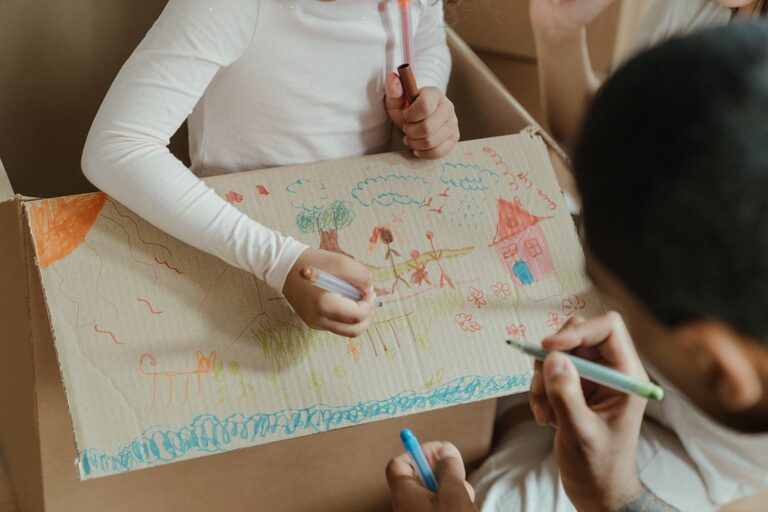
Kids’ artwork is a wonderful expression of creativity and imagination. From colorful drawings to handmade crafts, these pieces capture cherished moments and milestones in your child’s development. However, as the art collection grows, it can quickly become overwhelming and cluttered. Finding a system to keep kids’ art organized helps preserve these memories and keeps your home tidy.
In this post, we’ll explore practical and creative tips to organize and store your children’s artwork in ways that are both functional and meaningful.
Why Organize Kids' Art?
Before diving into organizational tips, it’s helpful to understand why keeping kids’ art organized matters:
– Preservation: Proper storage prevents damage from wrinkles, tears, or fading.
– Memory Keeping: Organized collections make it easier to revisit and enjoy past creations.
– Clutter Reduction: Avoids piles of paper and crafts taking over your living space.
– Encouragement: Showing that you value their artwork can motivate kids to keep being creative.
With these benefits in mind, here’s how you can keep art organized without stress.
1. Create a Dedicated Art Space
Having a specific place where kids can display and store their artwork is a great first step.
– Display Wall or Corkboard: Designate a wall or bulletin board where recent art can be showcased and rotated regularly.
– Art Shelf or Storage Bin: Use a labeled container close to their crafting area for pieces waiting to be sorted.
This helps contain the art in one zone instead of scattered around the house.
2. Sort and Declutter Regularly
Set aside time every few weeks to go through collected artwork with your child.
– Keep Favorites: Let your child choose the pieces they are most proud of or that have special meaning.
– Recycle or Gift Others: Explain that it’s okay to let go of some items, and consider gifting artwork to family members.
– Digitize: Photograph or scan art before recycling to keep a digital memory.
Regular sorting prevents build-up and teaches kids about valuing and managing their creations.
3. Use Portfolio Folders or Binders
Flat artwork fits well into large portfolio folders or binders with plastic sleeves.
– Label by Year or Age: Organize by date to track progress.
– Use Durable Materials: Choose acid-free folders to prevent yellowing.
– Include Notes: Add dates or stories about the art on accompanying labels or pages.
This method keeps art protected and easy to browse.
4. Store Three-Dimensional Art Carefully
3D crafts like clay sculptures or dioramas require special handling.
– Use Clear Plastic Containers: Stackable bins keep items dust-free and visible.
– Designate a Display Shelf: Rotate these pieces on a low shelf in your child’s room.
– Consider Taking Photos: For very fragile or bulky items, photos help preserve the memory without needing physical storage space.
Make sure containers are sturdy enough and stored where they won’t get knocked over.
5. Create Digital Archives
Going digital is one of the best ways to save space while preserving artwork.
– Scan or Photograph Artworks: Use a smartphone or scanner for high-quality images.
– Organize on Your Computer or Cloud: Create folders by year or project type.
– Use Apps or Online Services: Some apps are designed to help organize and print photo books of kids’ art.
Digital archives are easy to share with family and make lovely gifts or keepsakes.
6. Turn Art into Functional Items
Repurposing kids’ art into useful objects adds value and encourages creativity.
– Create Calendars or Photo Books: Compile favorite art pieces into personalized items.
– Make Greeting Cards or Gift Wrap: Use drawings to add a handmade touch to gifts.
– Frame and Hang Select Pieces: Turn artwork into home décor to celebrate your child’s creativity.
These projects keep art alive and reduce storage needs.
7. Teach Kids to Organize Their Art
Involve your children in the organizing process for positive habits.
– Setup Easy-to-Use Storage: Make containers and folders accessible.
– Explain Why Organization Matters: Help them understand the benefits.
– Make It Fun: Use colorful labels, stickers, or art-themed tools.
Empowering children promotes responsibility and pride in their work.
8. Maintain Consistency
The key to long-term success is consistency.
– Schedule Regular Review Times: Incorporate art sorting into monthly or seasonal routines.
– Update Storage Systems as Needed: Adjust containers or digital folders over time.
– Celebrate Progress: Share and enjoy the organized collection with family and friends.
Consistency turns organization into a habit, making it less overwhelming.
—
Organizing kids’ artwork doesn’t have to be a daunting task. With a little planning and creativity, you can preserve those special creations while keeping your home neat and inspiring your kids to continue their artistic journey. Try mixing and matching these tips to find the organization system that works best for your family!