

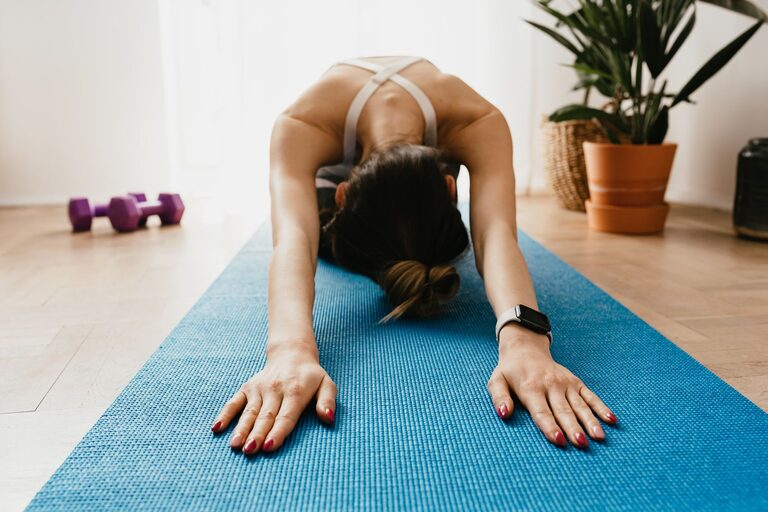
Stretching is a simple, low-impact activity that can improve your flexibility, reduce muscle tension, and enhance overall well-being. Whether you work at a desk, exercise regularly, or just want to feel more comfortable in your body, incorporating stretching into your routine can make a big difference. The best part? You can easily stretch at home without any special equipment.
This beginner’s guide will walk you through the benefits of stretching, basic techniques, and a step-by-step routine you can follow. Let’s get started!
Why Stretching Matters
Stretching helps your muscles and joints stay flexible and healthy. It increases blood flow to your muscles, which can reduce soreness and stiffness. Regular stretching can:
– Improve posture and balance
– Enhance athletic performance and range of motion
– Prevent injuries by preparing muscles for activity
– Reduce muscle tension and stress
– Promote relaxation and better circulation
By dedicating just 10 to 15 minutes a day to stretching, you can experience noticeable benefits in how your body feels and moves.
How to Stretch Safely at Home
Before you begin stretching, here are a few important tips to keep in mind:
– Warm up your muscles: Stretching cold muscles can lead to injury. Try doing a light walk or marching in place for 3–5 minutes to get warm.
– Avoid bouncing: Stretch slowly and hold the position without bouncing. Bouncing can strain muscles.
– Breathe deeply: Take slow, deep breaths as you stretch to improve oxygen flow and help your muscles relax.
– Listen to your body: Stretch to the point of mild tension, not pain. If anything hurts, ease off.
– Hold stretches for 15–30 seconds: This gives your muscles time to lengthen safely.
– Be consistent: Stretch regularly, ideally daily or at least several times a week, for the best results.
Basic Stretching Routine for Beginners
Here is a gentle stretching routine designed for beginners that you can do in about 10 minutes. Remember to perform each stretch on both sides where applicable.
1. Neck Stretch
– Sit or stand with your back straight.
– Slowly tilt your head toward your right shoulder, feeling a stretch along the left side of your neck.
– Hold for 20 seconds, then switch sides.
2. Shoulder Stretch
– Bring your right arm across your chest.
– Use your left hand to gently pull your right arm closer to your chest.
– Hold for 20 seconds, then switch arms.
3. Triceps Stretch
– Reach your right hand down your back, bending the elbow.
– Use your left hand to gently push your right elbow backward.
– Hold for 20 seconds, then switch arms.
4. Chest Stretch
– Stand tall with your hands clasped behind your back.
– Straighten your arms and gently lift your hands upward.
– Feel the stretch across your chest and shoulders.
– Hold for 20 seconds.
5. Cat-Cow Stretch (Spine Mobility)
– Get on your hands and knees in a tabletop position.
– Inhale as you arch your back, lifting your head and tailbone (Cow pose).
– Exhale as you round your back, tucking your chin and tailbone (Cat pose).
– Repeat 5 times, moving slowly.
6. Seated Forward Bend
– Sit with your legs extended straight in front of you.
– Inhale and lengthen your spine.
– Exhale and gently reach toward your toes, keeping your back straight.
– Hold for 30 seconds, feeling a stretch along your hamstrings.
7. Butterfly Stretch
– Sit with the soles of your feet together, letting your knees drop outward.
– Hold your feet with your hands.
– Gently press your knees toward the floor.
– Hold for 30 seconds.
8. Standing Calf Stretch
– Stand facing a wall, placing your hands on it.
– Step your right foot back, keeping the heel on the ground.
– Bend your left knee and lean forward, feeling the stretch in your right calf.
– Hold for 30 seconds, then switch legs.
Tips for Staying Motivated
Building a new habit like stretching can be easier with a few helpful strategies:
– Set a regular time: Stretch at the same time each day, such as in the morning or before bed.
– Create a comfortable space: Use a yoga mat or soft rug where you can move freely.
– Combine with other activities: Stretch while watching TV or listening to music to make it more enjoyable.
– Track your progress: Keep a simple journal or use an app to record how often you stretch.
– Join a community: Consider online groups or classes focused on stretching or yoga for support.
When to Seek Professional Advice
While stretching is generally safe, if you have existing health conditions, injuries, or chronic pain, it’s a good idea to consult a healthcare professional or physical therapist before starting. They can help tailor stretches to your needs and ensure you practice safely.
Final Thoughts
Stretching at home is a convenient and effective way to improve your flexibility and overall comfort. With a little time and consistency, you’ll likely notice reduced muscle tension, better posture, and greater ease of movement. Give the basic routine a try, listen to your body, and enjoy the many benefits stretching can bring to your daily life.
Start today and feel the difference!